Do 110V Mini Splits Really Need a Dedicated 15A Breaker?
Mini splits running on 110V or 115V power have gained traction as smart, convenient solutions for cooling single rooms or small spaces. Brands like Zone Air, Cooper & Hunter, and MrCool offer models designed to plug into common household circuits—sometimes advertised as “plug-and-play” systems. But before you start powering your new mini split off an existing shared circuit or an extension cord, you’ve got to understand the implications of the electrical setup. In particular, the question remains: do 15A breaker mini split units really need a dedicated breaker?
Understanding 110V Mini Splits and Their Electrical Requirements
Most residential mini splits in the U.S. run on 208V or 230V circuits, typically detached single-pole breakers rated for 20A or more. However, 110V/115V mini splits are a niche but practical option for smaller installations, particularly single room comfort without the hassle of adding new wiring.
Brands like Zone Air and MrCool are known for offering models that run on standard North American household voltages (110-120V). The utility is clear: they allow DIYers to install air conditioning without rewiring the home’s electrical panel—provided you respect voltage, amperage, and wiring practices.

Why Dedicated 15A Circuits Are Recommended
A dedicated 15A circuit means that the mini split system is the sole load on that breaker. This setup helps to:
- Avoid overloads: Mini splits can draw close to or above 12A during startup (locked-rotor amps), and running them on a shared circuit risks nuisance tripping.
- Reduce electrical hazards: Extension cords or undersized wiring may overheat. HVAC equipment and its compressors must be powered with proper conductors and breakers rated for both load and safety margin.
- Keep warranty terms valid: Many manufacturers specify dedicated circuit use as a warranty condition. Skipping this can nullify warranty coverage.
For example, Cooper & Hunter explicitly recommends a dedicated single-pole breaker rated for at least 15A for most of their 110V systems. Without it, you risk electrical issues and voiding your warranty.
Risks of Using Mini Splits on Shared Circuits
It may be tempting to simply use an existing lighting or receptacle circuit to power a mini split. But there are several drawbacks:
- Breaker nuisance trips: Other loads kicking on might cause the breaker to trip, leaving you without cooling at critical times.
- Voltage drops: Additional loads can cause voltage fluctuations, reducing the mini split’s performance and stressing its compressor.
- Safety hazards: Shared circuits might be wired with undersized conductors inappropriate for continuous HVAC loads.
This shared circuit risk is so significant that many home inspectors and electricians explicitly advise against it.
DIY Mini Split Installation with Pre-Charged Quick Connect Line Sets
One major innovation in the mini split market is the advent of pre-charged Quick Connect line sets. Companies like MrCool popularized this feature, allowing homeowners to dramatically reduce installation complexity.
These quick connect setups contain sealed refrigerant lines that don’t require vacuum pumps or specialized tools to connect, making the project approachable for DIYers with some electrical and mechanical experience.
Here’s a typical outline of a DIY installation with these line sets:
- Mount the indoor air handler on the wall, ensuring proper clearance.
- Install the outdoor condenser nearby, on a stable pad ensuring good airflow.
- Run the pre-charged quick connect line sets between indoor and outdoor units, nailing the tight connection without refrigerant loss.
- Wire the system using a pigtail plug cable rated at least 15A with 3 wires (power, neutral, and ground) to ensure compliance with electrical codes and hazard mitigation.
- Plug the unit into the dedicated receptacle connected to the 15A breaker.
A major pet peeve here is the use of extension cords or improper outlet wiring—these are never recommended for HVAC equipment due to risk of voltage drop and fire hazards.
Double-Checking Breaker and Wire Sizing
Before proceeding, it's essential to verify your breaker size and wiring gauge match the mini split’s rated current and installation instructions. For 110V mini splits typically drawing under 15 amps, a single pole breaker rated for 15A is generally appropriate, along with 14 AWG copper wiring minimum. However, always consult the product manual and perform a load calculation.
Also, be sure that the breaker and wiring meet your local electrical codes. If in doubt, consulting a licensed electrician is a worthy investment to avoid costly mistakes or unsafe installations.
Warranty Terms: Don’t Skip the Fine Print
One often overlooked aspect when shopping for 110V mini splits is the warranty coverage. Manufacturers like Cooper & Hunter, Zone Air, and MrCool all include warranty clauses that specify correct electrical installation is required for warranty validity.
Typical stipulations include:
- Use of a dedicated 15A breaker circuit
- Proper wiring gauge and connection methods
- Avoidance of extension cords and shared circuits
- Professional inspection or installation when applicable
Ignoring these clauses can result in years of lost coverage for compressor repair or refrigerant leaks. Registration within the specified warranty window is another detail DIYers sometimes miss, so mark your calendar immediately once installed!
Summary Table: Electrical Requirements for 110V Mini Splits
Feature Requirement Reason Breaker Type Single pole 15A breaker Matches rated load; prevents nuisance trips Dedicated Circuit Yes, no shared loads Electrical safety and voltage stability Wiring Gauge Minimum 14 AWG copper Safe current flow with minimal voltage drop Power Cable Pigtail plug cable rated ≥15A with 3 wires Proper grounding and neutral conductors required Extension Cord Use No Fire hazard and voltage loss risk Installation Type DIY possible with pre-charged Quick Connect line sets Reduced technical barrier, faster installationFinal Thoughts: Is a Dedicated 15A Breaker Non-Negotiable?
The short answer: absolutely yes. Installing a 110V mini split on a shared circuit or using an extension cord is not a recommended practice from electrical safety, performance, and warranty standpoints.
Explicitly following manufacturers’ instructions—like those from Zone Air, Cooper & Hunter, and MrCool—ensures your new mini split operates safely, efficiently, and reliably for More helpful hints years to come.
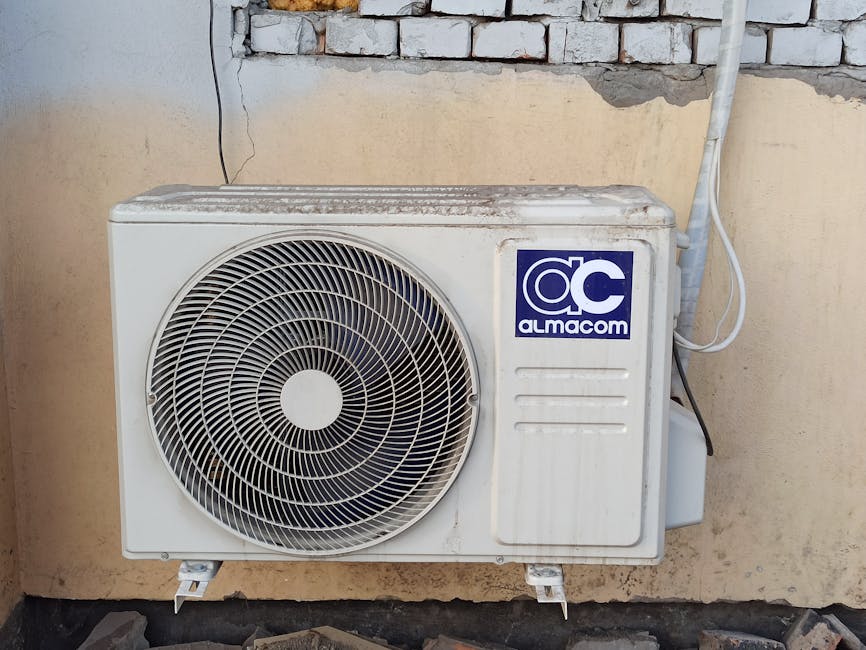
Using a dedicated 15A circuit with the appropriate wiring and a pigtail plug cable rated for at least 15 amps (power, neutral, and ground) is the key to compliance and peace of mind. Plus, the DIY-friendly pre-charged Quick Connect line sets make installation straightforward without needing specialized HVAC tools.
Don’t be fooled by vague claims of “plug anywhere” without digging into the electrical details—you could be risking your home’s safety and your investment.
Take smart steps, respect breaker and wiring requirements, and enjoy the comfort of your new mini split with confidence.