Does Beeswax Help Keep Natural Fiber Handle Wraps From Getting Gross?
If you’re like me, knee-deep in the world of reclaimed packaging and reuse, you know the challenge all too well: those natural fiber handle wraps—jute, cotton, hemp—tend to get downright gross after a few uses. Dirt, sweat, and water slowly invade their fibers, turning what once felt sturdy into a fraying, grimy mess.
In this deep dive, we'll explore how beeswax can be your trusty sidekick in preserving these natural wraps. From basic chemistry — like beeswax’s melting point of 62 °C — to tool choices that keep your wire handles sharp and clean, we’ll cover everything you need to trust your reclaimed packaging to last well beyond its initial charm. Plus, I'll sprinkle in tips on handling wire gauge and parallel-action pliers load capacity to avoid those frustrating "sudden drops."
Why Natural Fiber Wraps Go Gross (And Why We Care)
Natural fibers like jute and cotton are popular handle wrap materials on reclaimed crates, baskets, and totes. They breathe, feel nice in the hand, and scream eco-friendly. But here’s the catch: they absorb moisture and oils, leading to stains, odors, and eventual fiber breakdown.
This issue isn’t just cosmetic. When jute or cotton weaken, your entire packaging system’s trustworthiness wobbles — like a library whose shelves sag under the weight of paperbacks. Nobody wants a sudden drop in load capacity just because a handle frayed unexpectedly.
Common Problems with Natural Fiber Handles:
- Absorbing liquids and dirt: fibers become stained and smelly.
- Fiber weakening: wear and tear accelerate without water resistance.
- Fraying and shedding: rough edges spawn easily caught threads.
Enter Beeswax: Nature’s Moisture Barrier
Beeswax has long been a staple in DIY craft and repair circles, famed for its natural, water-repellent finish. Its melting point of roughly 62 °C (143.6 °F) makes it stable enough to withstand average room temps but soft enough to form a protective layer when melted and applied.
When applied on natural fiber wraps, beeswax works like a microscopic shield. It seeps into the fiber’s crevices, coating them with a hydrophobic (water-hating) barrier, preventing moisture from being absorbed while maintaining the wrap’s breatheability. This is crucial in protecting fibers like jute and cotton from typical grime and odor buildup.
Benefits of Beeswax on Natural Fiber Handles:
- Water Repellent Finish: Helps keep handles dry and less prone to staining.
- Reduced Fiber Wear: The wax coat minimizes friction and fraying.
- Extended Handle Longevity: A properly treated wrap lasts far longer in active use.
- Natural and Non-Toxic: Safe to use around food packages and kids’ crafts.
How to Apply Beeswax to Jute and Cotton Handle Wraps
Applying beeswax isn’t complicated, but it needs a gentle touch and proper prep to maximize its protective mojo.
Step-by-Step Process:
- Clean the wrap: Remove any dirt or loose fibers with a soft brush.
- Soften the beeswax: Melt a small block or pellets gently in a double boiler ( remember, keep it around or below 62 °C to avoid burning the wax).
- Apply evenly: Use a soft cloth or your fingers (wear gloves if needed) to rub the melted wax thoroughly into the handle’s fiber wrap.
- Let it dry: Allow the wax to cool and harden (this forms the water repellent seal).
- Buff excess: With a clean cloth, buff away any wax surface residue for a smooth finish.
Think of this like varnishing the spine of a beloved book — you’re preserving both the feel and the structure, so it can live a long life on your storage shelf.
Parallel-Action Pliers & Side Cutters: Choosing the Right Tools for Handle Repairs
Once your fiber wraps are safely protected, your focus can shift to the metal frames and wire handles that hold the system together. But here’s the trick: flimsy tools lead to muddled, ragged edges on wire, which can snag fibers or cause sudden failures — quite like a rough dog-eared page ruining a book shelf’s stability.
Why Wire Gauge and Load Capacity Matter
The wire gauge (thickness) directly impacts the load your handle can bear. Thicker gauge wires offer more strength but may be harder to manipulate; thinner wires look delicate but can fail under surprisingly modest weights.
Wire Gauge (AWG) Diameter (mm) Typical Load Capacity (kg) 16 1.29 Up to 10 14 1.63 Up to 15 12 2.05 Up to 20For natural fiber handle wraps on small crates or totes, a wire gauge of 14 (around 1.6 mm diameter) strikes a good balance — strong enough for roughly 15 kg, yet manageable with hand tools.
The Role of Parallel-Action Pliers
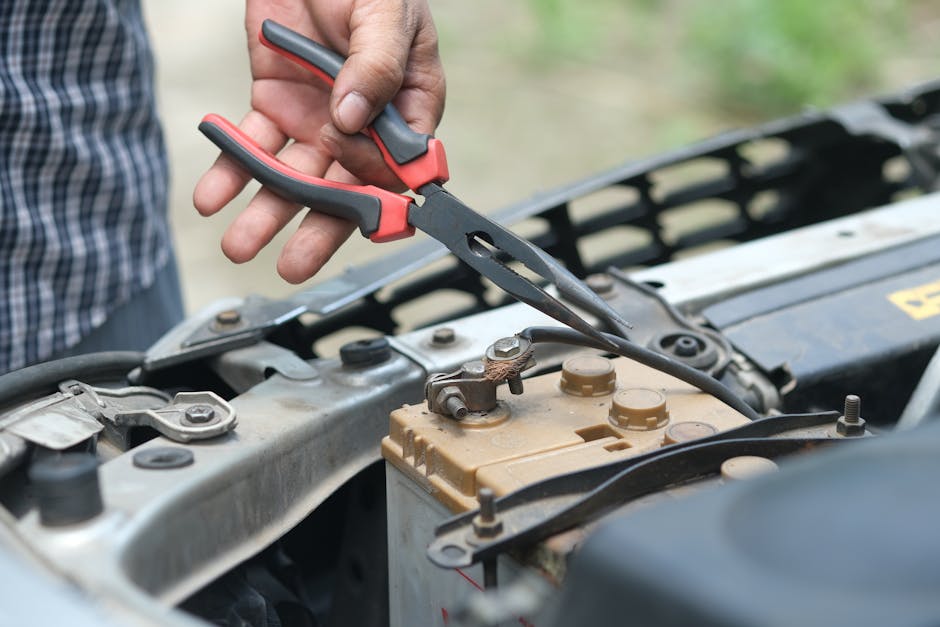
Parallel-action pliers provide a clean, gap-free grip that helps create proper, safe bends in wire without partially crushing or deforming it. This tool ensures your bends have integrity, preventing sharp edges that might tear fiber wraps or snag skin.
Side Cutters and Why Clean Cuts Matter
Side cutters, when chosen well, give crisp, clean cuts on wire without leaving ragged edges. Those small burrs on lazy cuts are a handle wrap’s worst enemy — they snag threads, causing premature fraying and weakening. Always invest in decent side cutters designed for the wire gauge you work with.
Reinforcing Weak Natural Fibers: Preparing for Drilling and Mounting
When affixing wires or handles that require drilling through natural fiber wraps, reinforcement is essential. Otherwise, the drill holes can weaken or tear the fiber — leading to loose handles and the dreaded sudden drop.
Best Practices for Reinforcing Natural Fiber Wraps Before Drilling:
- Pre-treat the wrap with beeswax: Hardens and strengthens the fiber before mechanical stress.
- Use backing patches: Apply small patches of thin scrap leather or fabric on the backside.
- Mark holes carefully: Use a fine awl or nail to start a pilot hole — reduces fiber tearing.
- Go slow with drill speed: Lower RPMs help control fiber damage.
Think of this as labeling and indexing your book collection carefully before adding new shelves. Proper prep avoids chaos and preserves trust in your system.
Putting It All Together: A DIY Project Walkthrough
Here is a quick example project outline, summarizing how to keep your natural fiber handle wraps clean, strong, and functional.
- Remove old wraps: Carefully cut away worn cotton or jute.
- Apply beeswax: Melt and saturate new fiber wraps, letting them dry fully.
- Shape wire handles: Use parallel-action pliers for precise bends, retain ±1 mm tolerance to keep fit snug.
- Cut wire ends: Snip cleanly with side cutters to avoid burrs.
- Reinforce fibers: Patch and pre-drill with smooth pilot holes.
- Assemble: Attach handles securely, ensuring no fiber tears.
- Final beeswax touch-up: Buff on an additional beeswax layer if desired for extra water resistance.
Final Thoughts
Beeswax is a trusty, natural ally for keeping your jute and cotton handle wraps from turning into grimy, fragile messes. Combined with the right tool choices—namely parallel-action pliers for clean bends and side cutters for burr-free wire trimming—your reclaimed packaging can gain an almost heirloom status. Add the proper reinforcement and careful prep, and you get a storage or transport system you can actually trust to hold its load with a gentle but firm grip—a tiny library of durability in your hands.
Remember, when it comes to DIY reuse: the devil’s in the details, and a little beeswax and care go a long way. Here’s to making your reclaimed packaging not just good-looking, but dependable for years to come!
For more tutorials on reuse and sustainable packaging craftsmanship, stick around and check out my other posts. Your small flat or garage soundsystem deserves packaging that works as beautifully as it looks.