How to Use a Pendant Light with an Illuminated Bathroom Mirror
The modern bathroom is transforming, with illuminated bathroom mirrors increasingly replacing traditional vanity light bars and sconces. Their sleek design and superior lighting quality invite a fresh take on bathroom lighting layers—integrating pendant lights, especially chrome pendant bathroom fixtures, for a chic, functional space. In this guide, we’ll explore how to blend these elements effectively, while understanding key lighting technologies and their interaction with various wall surfaces.
The Rise of the Illuminated Bathroom Mirror
Illuminated mirrors have revolutionized bathroom design by combining functionality with style. Companies like LED Mirror World have pioneered LED technology in mirrors that provide optimal lighting for grooming and makeup, often connecting via smart controls.
These mirrors are increasingly preferred over traditional vanity light bars and sconces because they offer:
- Even, shadow-free illumination at face level
- A cleaner, minimalist aesthetic
- The ability to incorporate backlighting, edge lighting, or in-glass light lines for different effects
- Improved energy efficiency and longer lifespan
As Homedit and Google Preferred Sources frequently highlight, these innovations tackle common bathroom lighting problems—like harsh shadows or awkward fixture placements—while streamlining the space visually.
Types of Lighting Within the Illuminated Mirror
Understanding the three primary LED lighting methods in mirrors is essential for pairing them with pendant fixtures effectively:
Lighting Type Description Effect on Walls and Surroundings Backlighting LEDs placed behind the mirror, casting a glow around its perimeter Creates a soft halo effect, washing light gently onto paint, tile, or wood behind. Particularly striking against textured or natural stone walls, the glow enhances dimensionality without glare. Edge Lighting LEDs embedded along the mirror edges, shining within the glass itself Produces a crisp, linear illumination around the mirror's border. This light tends to be more focused and can create bold highlights on the wall surface, emphasizing textures but may feel harsher if the wall finish is matte or dark. In-Glass Light Lines Integrated LED strips or patterns within the mirror glass providing uniform frontal illumination Delivers a direct, frontal glow ideal for detail work. This style tends to minimize shadows but can result in less ambient wall lighting, making it feel functional rather than decorative.Why Integrate Pendant Lighting? Exploring Pendant + Mirror Combinations
While illuminated mirrors reduce reliance on traditional vanity lighting, they don’t always fulfill every lighting need—especially when creating bathroom lighting layers. Enter chrome pendant bathroom fixtures, favored for their sleek hardware that complements the mirror’s shine while adding dimension to the space.
Here’s why pendant lights deserve a spot in https://cleaneverycorner.com/how-to-plan-lighting-for-a-long-vanity-with-two-vessel-sinks/ your bathroom design:
- Layered Lighting: Pendants provide ambient or task-specific light to supplement the mirror’s illumination.
- Surface Interaction: Unlike wall sconces that cast light laterally, pendants typically cast light downward, washing softly onto tiles, countertops, or wood cabinetry, enriching those surfaces' textures.
- Design Accent: Chrome pendants mirror the reflective elements of an illuminated mirror, creating a harmonious, upscale feel.
Keep in mind, pendants that are too close or too bright might cause unwanted shadows or glare on your mirror, so placement and bulb choice are crucial. A horizontally elongated mirror benefits especially from pendants placed symmetrically or staggered along its length.
Wall Impact: How Light Interacts with Wall Surfaces
Each wall finish reacts uniquely to combined mirror and pendant lighting. The key to a well-balanced bathroom is considering how light washes, shadows, and reflections play on these surfaces:
Painted Walls
Light tones tend to reflect light vividly, amplifying brightness. Backlighting creates a gentle glow that softly up-lights the the wall, whereas edge lighting can introduce stronger, defined highlights that outline mirror edges with contrast. Duller, matte paints absorb more light and might benefit from brighter or multiple pendants to avoid dim zones.
Tile Walls
Glossy ceramic or glass tiles reflect light spectacularly, often doubling the lighting effect. This can make Click to find out more edge lighting seem sharper, which looks great in photos but risks feeling harsh in person if unbalanced. Chrome pendants placed strategically can soften reflections by adding warm, downward illumination.
Wood Walls and Cabinets
Wood’s texture comes alive under layered lighting. Backlighting behind mirrors casts a faint halo on wooden surfaces, emphasizing grain depth. Chrome pendant bathroom light fixtures can create delicate pools of light that make natural oak or walnut cabinetry feel warm and inviting rather than stark.
Natural Stone
Stone walls benefit immensely from backlit illuminated mirrors—the subtle glow highlights stone variations without overpowering them. Pendant light can serve to accentuate texture with subtle shadows, essential for avoiding a flat-looking space. Too much direct light, however, might clash with a stone’s natural veining.
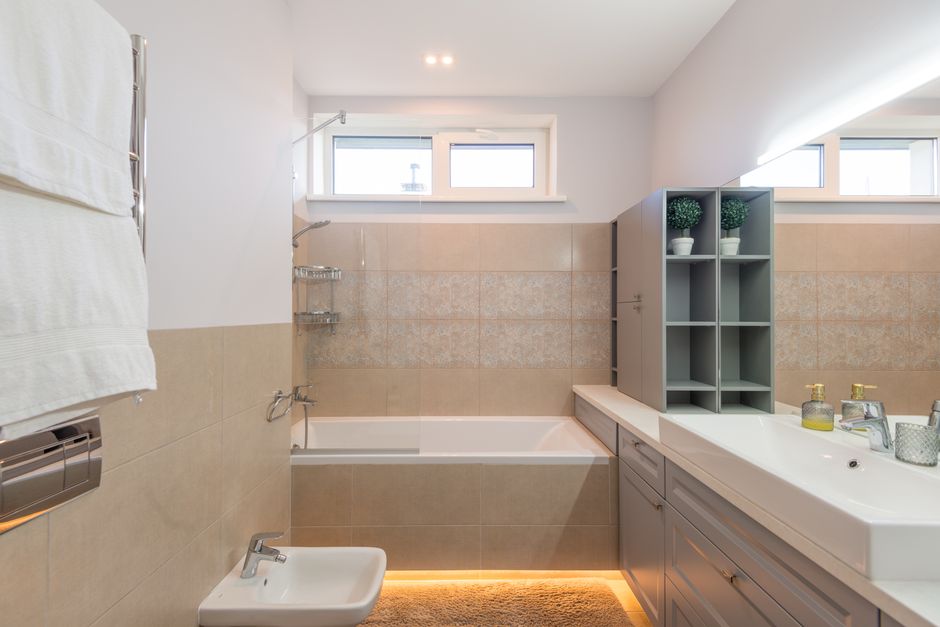
Handling Long Vanity Layouts with Multiple Mirrors
Bathrooms with expansive vanities bring their own challenges and opportunities when pairing illuminated mirrors with pendants:

- Multiple Mirrors: Rather than one oversized mirror, multiple illuminated mirrors spaced evenly can offer more personalized lighting zones.
- Pendant Placement: For long layouts, consider multiple pendant fixtures aligned above each mirror or staggered along the length to break up the visual span and support task lighting.
- Consistency: Keep fixture finishes and mirror lighting styles cohesive to maintain streamlined surroundings, especially when your walls feature varied materials or textures.
Following designers on platforms like Twitter and Facebook can provide real-time inspiration and feedback from communities about these setups—search for tags related to #BathroomLightingLayers and #ChromePendantBathroom for current trends.
Final Tips for a Balanced Bathroom Lighting Scheme
- Test Light Temperatures: LED illuminated mirrors often run cooler (5000K+), while pendant lights might skew warmer. Match or coordinate temperature to avoid visual dissonance.
- Consider Dimmers: Both the mirror lights and pendant fixtures benefit from dimmers—essential for transitioning from bright task lighting to softer ambiance.
- Focus on Function Over Hype: Avoid overly blue lighting touted as “luxury” since it can feel clinical. Instead, aim for balanced white light that flatters skin tones and wall finishes alike.
- Keep Fixtures Clean: Avoid busy pendant or mirror designs that distract from stone veining or tile patterns; simple rectangular mirrors with understated lighting often let the architecture and materials shine.
In Summary
Incorporating pendant lighting with an illuminated bathroom mirror can elevate your bath from purely functional to a layered, inviting space. Whether going for subtle backlit mirror halos enhanced by chrome pendants or edge-lit mirrors paired with downward task light, understanding the interaction between light and wall surfaces is essential. With thoughtful fixture choice and placement, your bathroom lighting layers will provide the right balance of beauty and utility.
For more inspiration and trusted product sources, check out specialists like LED Mirror World, read their expert guides on Homedit, and explore community experiences on Twitter and Facebook.