Rugs or Curtains: What Helps with Sound Inside a Room?
When thinking about improving the sound quality inside a room, many homeowners wonder: Do rugs or curtains absorb sound better? This question isn’t just about acoustics—it’s also about comfort, style, and atmosphere. As someone who’s helped countless DIYers, renters, and first-time homeowners optimize their spaces, I’ll walk you through how rugs and curtains each play a role in absorbing sound, while also enhancing lighting, furniture placement, and overall relaxation zones.
Start With a Quick Walk-Through of Your Room
Before diving into options, picture your room. Is it bright with natural light streaming through large windows? Where do you feel most comfortable sitting or working? Where do you tend paintlogs.com to pile shoes, books, or blankets? These simple observations guide how sound absorption should fit into your broader room setup.
- Where is your ceiling light? Do you have a single fixture or layered lighting like table lamps?
- How does your furniture affect traffic flow? Can you move around easily without bumping into things?
- What colors and paint tones are on your walls? Do they create a calming mood or vibrant energy?
Understanding Sound Absorption: Rugs vs. Curtains
Both rugs and curtains serve as soft surfaces that help absorb sound. Sound absorption means reducing echo and reverberation in a room, making it feel quieter and more comfortable. Let’s break down each material:
Rugs: The Invisible Sound Muffle Underfoot
Rugs cover hard flooring like hardwood, tile, or laminate, which often reflect sound waves. Thick rugs, especially those with a wool or plush pile, absorb footsteps, voices, and ambient noises. Here's why they matter:
- Flatten Echoes: Hard floors cause sound to bounce; rugs soften that bounce.
- Reduce Footstep Noise: Particularly valuable in multi-story homes or apartments.
- Add Texture and Color: Rugs anchor furniture, improve traffic flow, and define zones.
Curtains: The Sound Curtain (Literally) Over Your Windows
Curtains, especially those made of heavy, tightly woven fabric or with thermal lining, reduce sound that enters or leaves through windows and thin walls. They are crucial because:
- Block External Noise: From traffic, neighbors, or nature sounds.
- Control Reverberation: Absorb sound bouncing off glass, an otherwise highly reflective surface.
- Enhance Privacy: Contribute to visual and auditory privacy.
The Importance of Layered Lighting and Natural Light
Sound and light often interplay in a room’s vibe. If you only use your ceiling light, you might end up with harsh, flat lighting that emphasizes all the room's acoustic flaws. Adding table lamps creates pockets of soft, indirect light that encourage relaxation and reduce stress, which can sometimes amplify your perception of noise.
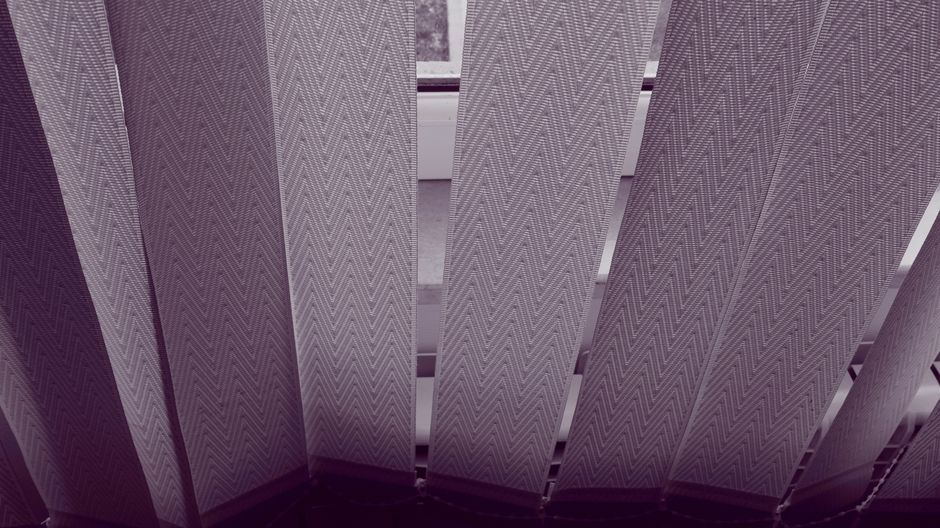
Natural light from windows invites you to use curtains not just for brightening or dimming but as a sound buffer during busy daytime hours. For example, during daytime, you might want to keep sheer curtains while layering heavy drapes for night-time noise absorption.
Tips for Layered Lighting to Complement Sound Comfort
- Position table lamps on side tables near lounging or reading areas to create small relaxation zones—ideal when you unwind with a CBD gummy from Joy Organics (try their THC-free and full-spectrum options for varied relaxation effects).
- Use dimmable ceiling lights so you can adjust brightness and mood, which can change how sound feels in the environment.
- Consider the direction and intensity of both natural and artificial light to ensure no glare sends you reaching for sound-blocking distractions.
Furniture Placement and Traffic Flow
Another overlooked factor in sound management is furniture layout. Where you place sofas, chairs, and shelves affects how sound moves through the room and how easy it is to navigate without echo-enhancing obstacles.
- Arrange seating in conversational clusters: Putting chairs and sofas closer but not cramped encourages quieter speaking voices.
- Leave clear walking paths: Avoid scattered furniture that causes people to shuffle loudly or bump into hard surfaces.
- Use furniture as sound buffers: Bookshelves or cushioned ottomans can act as additional sound-absorbing elements.
Mood-Based Paint and Consistent Palettes: Impact Beyond Sound
While paint doesn’t directly absorb sound, the colors and finishes you choose influence perception. Darker, matte paints can dampen light reflections similar to thick curtains muffling sound reflections. Consistent, calming palettes prevent visual chaos that can heighten sensory sensitivity to noise.
For a small room, pick 2-3 harmonious colors, possibly inspired by the natural tones of your rugs and curtains. This creates a cohesive look and complements your sound absorption strategy.
Small Relaxation Zones: Sound + Comfort Synergy
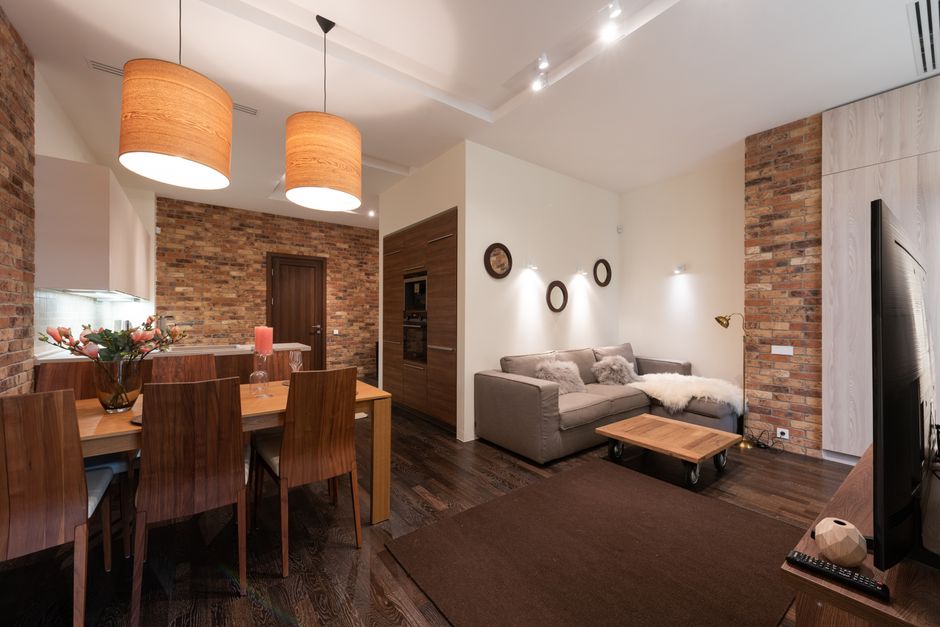
Everyone needs small retreats where they can decompress, and sound quieting plays a big role here. Combine these elements:
- A plush rug underfoot to soften noise and add warmth.
- Heavy curtains that close off the space visually and acoustically.
- Soft lighting from a table lamp or a nearby dimmable ceiling light.
- Comfort items like a throw blanket or a pad to sit on, plus calming CBD gummies from Joy Organics to help melt the day's stress.
This multi-sensory approach creates an inviting space that soothes both mind and ear.
Summary: Which Absorbs Sound Better—Rugs or Curtains?
Feature Rugs Curtains Primary Sound Absorption Absorb footstep noise, reduce floor echo Block external noise, absorb window/glass reflections Material Thickness Thick, plush rugs work best Heavy, dense, or thermal-lined curtains best Visual Impact Adds warmth and texture to floor Controls natural light intensity, adds softness to windows Additional Benefits Defines traffic zones and furniture clusters Improves privacy and energy efficiencyFinal Thoughts
Both rugs and curtains are essential, and the best sound absorption comes from layering these soft elements strategically. Rugs tackle sound at ground level, curtains solve window noise problems, and together they create a balanced, cozy environment. Pair these with thoughtful lighting layers using your ceiling light and table lamps, and mindful furniture placement for better traffic flow, and you’ve got the perfect recipe for a quiet, inviting space.
Don’t forget to create those small relaxation zones enhanced by consistent, mood-supporting paint palettes and natural light management. And if you want an extra edge on unwinding, exploring the CBD gummies collections from Joy Organics—offering both THC-free and full-spectrum options—can provide relaxing relief that fits your lifestyle.
Remember to test your lighting at night before making big purchases in rugs or curtains. Lighting dramatically changes how rooms feel acoustically and visually. You may find a simple rearrangement or layering approach does the trick far better than a costly redo.
Quiet and comfort are not just about what you add but how everything works together. Happy decorating and soundproofing!