Single Zone vs Multi Zone Mini Split: Which Should I Buy?
If you’re like me—a homeowner with a long history of battling inefficient cooling and heating—you’ve probably heard of mini splits as a promising upgrade. Whether you’re tired of a broken whole-house AC or fed up with those noisy portable units that conk out in under a year, mini splits are becoming the go-to solution.
But here’s the kicker: deciding between a single zone or a multi zone mini split is not always straightforward. In this post, I’ll break down the real deal about the value, pricing, efficiency, and practicality of both options. I’ll also share my thoughts on popular brands like MRCOOL, Zone Air, and how stores like Home Depot fit into the mix.
What Is a Mini Split Exactly?
For those new to the game, mini splits are ductless heating and cooling systems. Most systems have an outdoor condenser paired with one or more indoor units (or heads). This setup bypasses your home’s ductwork, which means less energy lost and more control over individual rooms.
- Single Zone: One condenser, one indoor unit.
- Multi Zone: One condenser, multiple indoor units.
Mini splits are especially great for homes that lack existing ductwork or for those “bonus rooms” that traditional HVAC systems don’t cover well.
Why DIY Mini Splits Are Gaining Ground
If you’re a DIYer like me, the idea of handling a mini split install yourself can be tempting—and sometimes more affordable. But don’t let that charm cloud your judgement. There are technical hurdles and real costs involved.
- Quick connect fittings and pre-charged line sets: These innovations have simplified installation by letting you avoid complex refrigerant handling (not recommended for anyone not comfortable with electrical work or HVAC concepts!).
- Direct-to-consumer pricing: Brands like MRCOOL and Zone Air sell direct, cutting out dealer markups you usually find at traditional HVAC installers or Home Depot.
For example, the Zone Air 12K BTU single zone (230V) comes in at about $2,049.99. That price isn’t just for the hardware—it reflects the pre-charged lines and modern fittings that help make your DIY project feasible.
Single Zone Mini Splits: When Is One Head Enough?
One condenser and one indoor unit (a “single zone” setup) works best if you only need to condition a single room, basement, or maybe a small open space. It’s a straightforward purchase and install:
- Pick the right capacity (like 12K BTU for typical rooms).
- Use pre-charged line sets to connect quickly without vacuum pumps.
- Install the indoor unit on a wall or ceiling, connect power safely.
Key perks:
- Lower upfront cost compared to multi zone.
- Simple installation thanks to quick connect fittings.
- Ease of control: You’re only managing one indoor unit.
But, if your goal is whole-house heating or multi-room cooling without ductwork, a single zone system will leave you short.
Multi Zone Mini Splits: Multiple Heads, One Condenser, Total Flexibility
Multi zone systems connect several indoor units to a single outdoor condenser. This means:
- You can cool or heat multiple rooms independently.
- You save space outside—only one condenser instead of many.
- You maintain individual temperature control in each zone.
This setup is typically more expensive upfront, but it’s the sweet spot if you want to ductlessly heat or cool multiple areas or even the whole house.
Tip: A neat feature with some brands is the ability to mix wall-mounted heads with floor or ceiling cassettes, adapting to your home’s layout.
Direct-to-Consumer vs Dealer Network: What’s the Tradeoff?
Brands like MRCOOL and Zone Air utilize direct-to-consumer sales models, meaning you can buy straight from their websites or authorized online retailers. This cuts dealer markups but puts the onus of installation on you.

So, if you’re buying from Home Depot, you might get more “hands off” service and install options but at a price premium. If you want to save money and have some technical chops, direct-to-consumer brands like MRCOOL offer great value.
Efficiency: What Do SEER2 and HSPF2 Really Mean?
Mini splits brag a lot about efficiency, but the new SEER2 (Seasonal Energy Efficiency Ratio) and HSPF2 (Heating Seasonal Performance Factor) standards are reshaping how we measure that.
- SEER2: Updated testing methods that better reflect real-world cooling efficiency.
- HSPF2: Similar for heating, especially important in cold climates.
Bottom line: Higher SEER2 and HSPF2 ratings mean lower energy bills and better climate control. But watch out for hand-wavy claims without these ratings because efficiency figures used to be overly optimistic.
If you’re shopping a system for year-round comfort, especially in a colder climate, pick mini splits rated for heating down to -13°F. Both MRCOOL and Zone Air offer cold-climate models that maintain good heat output even in chilly winters.
Installation Tips: What You Need to Know
Even if you’re a DIY enthusiast, I want to give you the heads up on realistic challenges:
- Don’t mess with electrical work unless licensed or comfortable. Many mini splits require a dedicated circuit and proper wiring.
- Quick connect fittings and pre-charged line sets really help avoid the need for refrigerant handling equipment, but physical mounting and sealing still demand care and skill.
- Coiled extra copper line behind the condenser? Nope—hate that. Always measure carefully and install with straight lines or gentle bends for best performance and aesthetics.
In real houses, I’d prefer professional confirmation on spacing and power needs even if I’m installing the components myself. Your local codes might require it, too.
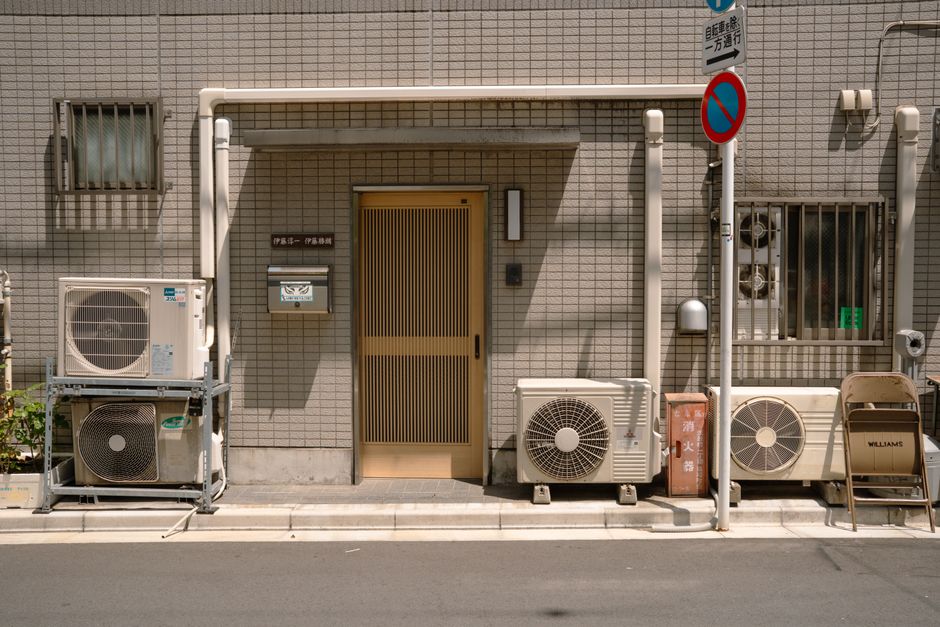
Which Should You Buy?
Here’s my summary for the typical DIYer with a budget and comfort goals:
Scenario Recommendation Brands to Consider Reasons Cooling/heating a single room or small space Single zone mini split Zone Air 12K BTU ($2,049.99), MRCOOL Lower cost, simpler install, efficient Whole house without ductwork or multiple zones Multi zone mini split MRCOOL, Zone Air One condenser with multiple heads; efficient and space-saving Prefer hands-off install with contractor Purchase through Home Depot or local dealer Various brands, including MRCOOL Includes professional installation; higher upfront costFinal Thoughts
Mini splits offer a compelling solution for homeowners like us who want comfort, efficiency, and flexibility without ripping out ductwork. The choice between single and multi zone comes down to your home's layout, comfort goals, and how much zone air salt lake city DIY you're comfortable doing.
Remember—don’t underestimate the importance of SEER2 and HSPF2 ratings to get true efficiency, watch out for misleading pricing, and don’t risk DIY electrical work if it’s outside your expertise. With brands like MRCOOL and Zone Air offering pre-charged, quick connect mini splits at realistic prices, DIY installation is more accessible than ever.
Just imagine—one condenser outside with multiple indoor units quietly keeping your whole home comfortable without the coil mess behind the unit or duct nightmares inside. That’s the dream, friend.