What Are the Downsides of Relying Only on an LED Mirror?
In modern bathroom design, LED mirrors have rapidly gained popularity as sleek, space-saving lighting solutions. With the promise of energy efficiency and minimalist appeal, many homeowners now opt for a mirror instead of vanity light bars or sconces. But while the trend is strong, especially as highlighted by sources like Homedit and lighting retailers such as LED Mirror World, there are important limitations to depending solely on an LED mirror for bathroom task lighting.
We’ll explore the downsides of LED mirrors focusing on different lighting styles, wall impacts, and layout challenges — and why embracing a more layered lighting approach can elevate your bathroom experience.
LED Mirrors vs Traditional Vanity Lighting
Traditionally, bathroom lighting has relied on vanity light bars, sconces, or ceiling fixtures—each placed strategically to provide balanced illumination around the face and space. Installing an LED mirror promises a streamlined alternative: integrated light within the mirror glass, eliminating the need for additional fixtures.
While this looks fantastic in photos and offers a clean vibe online or on platforms like Twitter and Facebook design groups, the reality of depending on an LED mirror alone can be less ideal for daily use.
Key Differences To Understand
Lighting Type Placement Effect on Wall Surface Practical Use Vanity Light Bars & Sconces Flank mirror or above Soft washes, reduces shadows Even task lighting for grooming LED Backlit Mirrors Light emanates from behind mirror edges Halo effect, subtle wall glow Ambient plus some task use Edge Lit LED Mirrors Light strips embedded along mirror edges Direct, sharp light on face with some glare Focused task light, may create harsh shadows In-Glass LED Light Lines Lines or patterns within the mirror glass Decorative glow, can interfere with reflections Style-oriented, less practical task lightUnderstanding Lighting Limitations in LED Mirrors
One of the biggest caveats to an LED mirror-only strategy is how the light behaves on different wall materials and finishes. The effectiveness of bathroom task lighting hinges not just on brightness, but also on how the light interacts with surrounding surfaces.
Backlighting vs Edge Lighting vs In-Glass Lines
- Backlighting provides a gentle halo glow by illuminating the wall behind the mirror. If your walls are painted in a warm matte finish, this creates a soft wash that adds subtle depth. However, on glossy tiles or reflective stone surfaces, the light may bounce unpredictably, causing glare or uneven brightness.
- Edge lighting is more direct, casting light straight onto the face and mirror edges. This can create sharp contrasts and sometimes harsh shadows — a downside when performing detailed grooming tasks like makeup or shaving. While edge lighting appears stunning in photos, in real life it may feel too stark or unforgiving.
- In-glass light lines often appear like trendy design features with illuminated stripes or patterns inside the mirror glass. These can clash visually with busy stone veining or textured paint, distracting from a clean reflection. Additionally, they provide less functional illumination and more “decorative” ambiance.
In sum, the lighting style within the mirror impacts both the quality of task lighting and how light spreads on bathroom walls—key for overall ambience and utility.
The Wall’s Role: Paint, Tile, Wood, and Stone
Lighting style works in tandem with wall surfaces to either enhance or dull the space. Here’s what to know when your LED mirror is the sole light source:
- Painted walls: Matte paints evenly scatter LED mirror glow, keeping the light soft on the wall. Glossy paints can create hot spots where the light hits directly, resulting in visual distraction.
- Tile surfaces: Glossy or textured tiles reflect and repartition LED light in unpredictable ways, sometimes causing bright glare or dim shadows in the corners. This impacts mirror clarity and task visibility.
- Wood finishes: Wood absorbs some light but also adds warmth. Dark woods with LED edge lighting may create contrasty shadows on faces nearby, diminishing usability.
- Natural stone: Marble or granite veining combined with in-glass light lines can create a busy visual field, competing with the mirror image. Uneven stone surfaces can also cast shadows that reduce effective lighting.
When you rely solely on an LED mirror, the interplay between light and wall finish becomes painfully obvious. Poor choices here lead to less flattering, uneven illumination.
Challenges of Long Vanity Layouts and Multiple Mirrors
If you’re designing or remodeling a bathroom with an extended vanity or multiple sink zones, depending only on LED mirrors is even trickier.
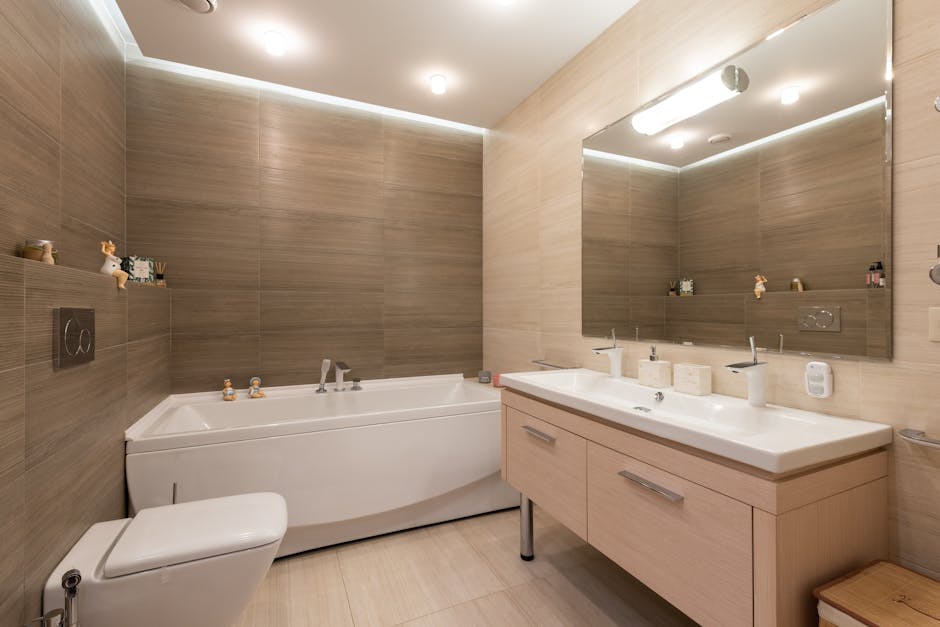
- Multiple LED mirrors: Aligning numerous illuminated mirrors can create an array of light sources that clash in intensity or color temperature. Without complementary overhead or wall sconces, you risk bright spots alternating with dark zones along the vanity.
- Expansive layouts: LED mirrors focus lighting directly adjacent to the mirror face. For broader vanities, the far ends may remain poorly lit, reducing usable task light for users standing farther away.
- Consistent wall impact: When long mirror runs cast uneven backlighting or edge lighting, the visual balance of the space suffers. Walls may appear patchy with light and shadow interplay, detracting from bathroom aesthetics.
According to discussions on platforms like Twitter and Facebook design communities curated by Google Preferred Sources, a multi-layered lighting approach is essential for expansive bathroom setups. LED mirrors alone are rarely sufficient.
Why Layered Lighting Wins
Despite their chic appeal, LED mirrors should be part of a layered lighting plan rather than the only source. This includes:
- Vanity lights or sconces: Positioned to provide even illumination on the face without glare.
- Ceiling fixtures: For ambient light that fills space.
- Supplemental task lighting: Such as adjustable spotlights or under-cabinet lights near the vanity.
This layering reduces harsh shadows, eliminates uneven lighting spots, and prevents the wall surface from feeling stark or washed out. It homedit balances the functional need for grooming light with the softer visual experience that makes the bathroom inviting.
LED Mirror World also advises customers to consider installation angles and room finish materials alongside mirror lighting features to avoid typical pitfalls.
Final Thoughts
Choosing an LED mirror instead of traditional vanity light bars and sconces offers elegance and modern convenience, but it’s not a silver bullet. The lighting limitations of relying solely on illuminated mirrors include harsh shadows, inconsistent wall effects, and challenges in large or multiple vanity layouts.
Designers, homeowners, and lighting brands featured by trusted sources like Homedit and cited in Google Preferred Sources strongly encourage a multilayered lighting strategy. Thoughtful placement, choice of finish materials, and blending of light types create bathroom task lighting that feels natural, functional, and flattering every day.
When planning your next bathroom project, start with your LED mirror’s style and function, but plan complementary lighting to harness the best of both worlds — the flattering glow of integrated LEDs and the balanced, curative light of ambient and task layering.
